Quick Review
Transistor is a strong fit for players who want their action RPG to leave room for a clever plan. Supergiant’s futuristic adventure combines real-time fighting with a pause-and-plan system, a configurable weapon and a richly illustrated city, making the appeal as much about arranging a satisfying solution as pressing the attack button. Its intimate mystery and musical identity give that machinery a distinctive mood. The trade-off is a game that asks for curiosity rather than promising effortless button-mashing or a neatly explained world. This source-based review recommends it for thoughtful solo play, not as a substitute for hands-on performance testing.
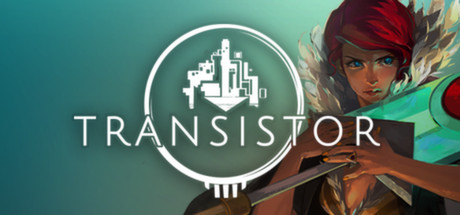
A giant mysterious sword would normally be enough responsibility for one evening. Transistor adds the suggestion that you should configure it properly, which is how an action game quietly becomes a very stylish planning meeting. Released in 2014 and developed and published by Supergiant Games, this is a standalone science-fiction action RPG rather than a sequel you need homework to understand. The studio’s official material describes a pursuit through a futuristic city and a weapon whose past matters to the story. That combination offers a useful promise: the fights and the mystery are attached to the same object, rather than occupying separate appointments on your calendar. The protagonist is Red, and the weapon can speak to her. Supergiant’s own PlayStation discussion emphasizes that relationship, giving the premise a more personal center than the usual shopping list of enemies. A talking weapon could easily become a novelty dispenser. Here, the setup instead suggests a companion you cannot simply put away when the next conversation becomes uncomfortable. This review draws on developer information, official storefront features and platform material; it does not claim a completed playthrough, measured frame rates or personal combat impressions. The judgments below concern the documented design and who it is likely to suit.
Reasons to look closer
The most interesting idea is the relationship between action and planning. The official PlayStation hands-on describes Turn(), which stops time so you can arrange movement and attacks before carrying out the sequence. Instead of merely asking whether you can react quickly enough, that structure asks whether you can make the next few moments work in your favor. It is an appealing invitation for anyone who likes looking at an ugly situation and finding an elegant answer. The monsters have arrived; fortunately, the meeting has an agenda. The Steam feature list also emphasizes configurable Functions and a large range of combinations. That makes experimentation central to the pitch. A good customization system is valuable when changing a setup changes how you think, not simply the size of a number. The documented breadth gives Transistor a promising reason to revisit an approach rather than cling to the first comfortable arrangement. It also sets a fair expectation: if rearranging abilities sounds like unpaid administration, the very thing that attracts another player may be your point of friction. Presentation matters here for more than screenshots. The official listing identifies hand-painted artwork, reactive voiceover and music that changes with the action. Supergiant credits Darren Korb’s soundtrack and Ashley Barrett’s vocals. Together, those choices suggest a world with a coherent identity rather than a collection of futuristic props. For a player choosing between games with broadly similar combat labels, that is a meaningful distinction. A city with its own sound and visual language can be a better invitation than another hundred equipment icons.
What to know before playing
Treat this as a single-player adventure. Supergiant explicitly says it is not a co-op game, so your friend cannot join to explain why your wonderful plan went sideways. The developer lists PlayStation 4, Nintendo Switch, iOS, and computer versions including Windows, macOS and Linux. Those are platform listings, not a guarantee that every modern operating-system configuration or backward-compatible device has been tested here. Check the exact storefront and current requirements for your device before buying; an old minimum-spec line is not a modern compatibility certificate. The official Recursion announcement describes a post-story return that retains progression, including unlocked Functions, and changes the combat challenge. That is a better reason to return than simply replaying a checklist for a larger badge. It supports the case for players who enjoy learning a system beyond the first successful solution. It does not mean you must plan for endless play, and it should not be mistaken for a multiplayer endgame. The practical verdict is straightforward: put Transistor on the shortlist if atmosphere, flexible combat planning and a focused solo mystery sound like a good evening. Approach more cautiously if you want constant uninterrupted action or a game whose main reward is a flood of loot. Its strongest documented selling point is the opportunity to be deliberate inside an action RPG. Sometimes the smartest use of an enormous sword is to stop, think, and give the enormous sword a better schedule. Sources: Supergiant Games Transistor FAQ (https://www.supergiantgames.com/blog/transistor-faq/); official Steam listing (https://store.steampowered.com/app/237930/Transistor/); PlayStation hands-on (https://blog.playstation.com/2013/09/04/hands-on-with-transistor-on-ps4/); developer discussion (https://blog.playstation.com/2013/10/03/transistor-and-the-secrets-of-the-dualshock-4/); Recursion announcement (https://blog.playstation.com/?p=132482).