The Alters Review
Quick Review
The Alters turns base management into a fraught relationship with alternative versions of yourself, each bringing useful skills and inconvenient needs. Gathering resources, researching hazards and organising shifts gain weight from a lethal sunrise and a crew that cannot work indefinitely. That pressure can crowd out leisurely construction, although Relax Mode offers a gentler route through the story. Choose it for survival decisions with emotional consequences, not employees who quietly accept every terrible managerial idea.
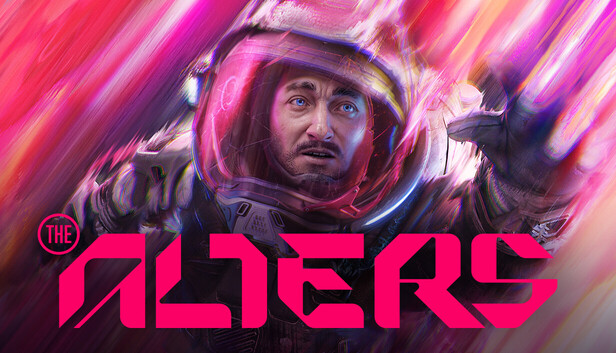
The Alters turns the familiar complaint that nobody understands you into an impressively awkward staffing solution. Stranded on a hostile planet, Jan Dolski must operate a mobile base that needs more people than he has available. His answer is to create alternative versions of himself, shaped by different choices in his past. They bring useful expertise, but also memories, personalities and regrets. It is a terrific premise for survival management: the people keeping you alive are also reminders of lives you never lived. Apparently escaping your problems now requires hiring them.
A crew of difficult alternatives
Those extra Jans are not interchangeable production bonuses. They experience stress and weariness, and their needs can conflict. Building something that improves the crew's well-being can compete with investing in infrastructure that advances the mission. This makes the management question more interesting than simply identifying the next upgrade. Whose immediate discomfort are you willing to accept, and what are you getting in return? The appeal is that emotional maintenance belongs inside the survival problem rather than sitting beside it as optional conversation. The warning is equally plain: players wanting efficient workers who never complain are considering a game specifically about why that arrangement falls apart.
Time gives those decisions their uncomfortable edge. Gathering resources, expanding the base and handling unexpected problems all happen while a lethal sunrise approaches. Day and night cycles restrict safe outdoor activity, and Jan and his counterparts have limited energy before they need rest. Planning therefore means more than drawing up an ambitious list of jobs. You have to consider when work is possible and who will still be capable of doing it. It is an appealing structure for people who enjoy adapting a schedule under pressure. A base-building description needs that warning for anyone seeking a peaceful construction toy: the planet has booked an appointment to incinerate the project.
Going outside is more than a shopping trip for the base. Scanning locates materials such as metals, minerals, organics and Rapidium, but anomalies complicate access. Some dangers are visible; others need detection equipment or tools to reveal them. Radiation and distorted time or space make the landscape something to investigate rather than merely cross. Developing countermeasures gives research a practical purpose: better knowledge can change which risks are manageable. That is the strongest argument for the exploration layer. An upgrade is more meaningful when it alters how you approach a dangerous place, rather than just changing a number beside an icon. Curiosity still needs a safety budget.
A gentler route through Relax Mode
Importantly, the game available now offers a gentler route than its original pressure-heavy pitch might suggest. The free December 2025 update added Relax Mode for players who want more emphasis on story and exploration, with less concern about survival and inventory management. It also introduced automatic saving on exit and at crucial story moments. Those changes make it easier to choose the kind of attention you want to give the game. The same update added a Gamer's Den, a card game and a noir-themed sidestory, alongside base customization and photo mode. They provide a different kind of interaction with the setting, rather than another demand to optimize production. Even a crew made entirely from one man deserves something resembling a weekend.
Last Variable is a separate expansion
Last Variable is a separate paid story expansion, not something to quietly assume comes with the base game. Released in July 2026, it puts Jan Scientist at the center of investigating a mysterious Oasis with a new specialist crew. Terraforming opens areas and resources while provoking environmental hazards; underground construction and cryosleep change the scale of the mission. That makes it worth distinguishing from a simple collection of extra rooms or outfits. It is an extension for someone who wants another scientific problem to manage, not a prerequisite for understanding what the original survival premise is offering. Check which edition you are buying before recruiting the accounting department.
A save warning tied to sunrise
The September 2026 hotfix also carries a specific warning worth knowing: sunrise now correctly triggers game over, and loading an invalid save created after sunrise immediately ends the game to prevent further problems. A save-related repair needs that explicit consequence attached, not presentation as evidence that every old save becomes recoverable. In a game built around a deadline, the difference between surviving it and accidentally slipping past a broken check matters. Treat that note as practical information rather than a promise of universal polish. The sun is already a difficult enough supervisor without misunderstanding the rules of dismissal.
SteamDLC scopeLaunchCrewTimeExplorationFree updateExpansionSave caveat