Quick Review
Static Dread combines ship-routing paperwork, lighthouse repairs and uncertain visitors with supernatural unease. Ordinary duties give the horror something useful to disrupt, and decisions about people complicate simply following the rules. Document handling and radio controls can grate, while repeated interruptions sometimes turn dread into another chore. Players who enjoy inhabiting an unusual job and making choices under imperfect information should find more here than those seeking constant shocks or action-heavy horror.
In this review
Reasons to look closer · The fax machine is somehow mission-critical · Maintenance has acquired an ominous soundtrack · The doorbell presents a different sort of inspection · Atmosphere works best before it explains itself · A good posting for curious clerks, less so for thrill collectors
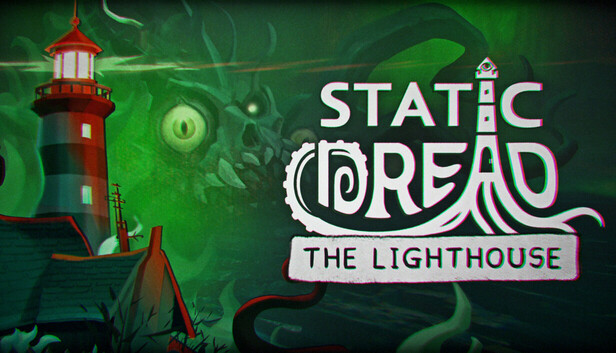
The job description sounds reassuringly practical: keep the lighthouse running, answer the radio and help ships reach harbour. Static Dread: The Lighthouse then adds impossible noises, unreliable equipment and visitors whose intentions are not covered by the induction booklet. The full game launched on August 6, 2025 [1], with console editions following that November. After a global catastrophe, somebody still expects the shipping lanes to function. Depressingly plausible.
The useful comparison is Papers, Please rather than a conventional action-horror game. You are responsible for other people's journeys, and following instructions is not always the same as helping them. The surrounding crisis also has a personal edge: the keeper has a wife and daughter waiting elsewhere [7]. Ideally, you can finish the job and go home, rather than finding another basement full of terrible news.
Reasons to look closer
A radio is a lovely horror device because it offers contact without reassurance. A voice can reach you while its owner remains out of sight, leaving plenty of room for doubt. The publisher's combination of supernatural horror and lighthouse duties [9] gives the strange events an ordinary routine to interrupt. Static Dread is worth a closer look if you like staying useful during an apocalypse, rather than solving the situation by locating a larger gun and an unusually generous ammunition cupboard.
The fax machine is somehow mission-critical
Ships call for guidance, send documents and need routing to an appropriate destination. The rules grow more demanding, so the initial act of matching a request to a port develops into checking details and responding to changing instructions. Games Asylum describes later complications involving depth charts, mines and military activity [2]. The appeal is the small satisfaction of processing information correctly. Even with the sea behaving appallingly, the paperwork might offer an answer.
That tactile routine also introduces friction. Games Asylum found piled-up documents awkward to manage and analogue-stick radio tuning bothersome at times. It is a useful distinction: deliberately old-fashioned equipment can support the atmosphere without every awkward interaction becoming automatically charming. The lighthouse is supposed to be a bad workplace, but the controls still have to communicate clearly. Small irritations matter when the building starts filing its own very loud complaint.
Maintenance has acquired an ominous soundtrack
The desk is not the entire game. Four systems keep the station functioning: the antenna, light, rotation mechanism and generator. PlayStation Country explains how failures send you to different parts of the lighthouse [4], with restarting rotation requiring a trip upstairs. This is a clever use of a compact location. A familiar corridor stops being decorative space and becomes an inconvenient distance between you and the thing you need to fix.
Keeping yourself operational matters too. That same review identifies coffee as valuable protection against exhaustion and notes how an unwelcoming approach to visitors complicated its run. The point is not simply to keep four indicators green forever: decisions about supplies and people feed back into your ability to cope. A single building can therefore support several competing priorities without becoming an enormous survival sandbox. Expect shift management, not the freedom to build a cabin and declare shipping somebody else's problem.
The doorbell presents a different sort of inspection
Visitors turn the isolated setting into a social problem. Orders say one thing; a person standing outside asking for help can make those orders considerably less comfortable. COGconnected highlights the pressure between obedience, supplies and moral choices [5]. The characters appear as illustrated figures against the three-dimensional surroundings, giving conversations a distinct visual identity. Their arrival interrupts the machinery without feeling like an unrelated minigame: deciding whom to trust is another part of keeping this increasingly alarming station running.
This is the strongest reason not to reduce Static Dread to a ship-routing puzzle. A technically correct instruction may protect the rules while failing the person in front of you. Conversely, being helpful does not make the world safe. The best version of that tension asks you to commit without complete information, then live with what follows.
Atmosphere works best before it explains itself
The horror has a natural advantage while you are straining to distinguish a useful transmission from something that should not be broadcasting. However, CGMagazine's launch review felt the supernatural antagonist became too explicit too quickly [3], and that recurring glyph-clearing and loud musical warnings could turn unease into routine maintenance. That is a persuasive criticism of this particular setup. An unexplained sound invites imagination; a repeated warning that reliably means another cleaning task risks becoming the haunted equivalent of a low-battery notification.
There has been relevant work since launch. The March 2026 Steam update added more varied ambient sound, extra visitor and radio dialogue, and expanded character-ending presentations [6]. Those are concrete changes worth separating from the original reviews, although patch notes alone do not establish that every pacing concern has disappeared. They also should not be assumed to describe every console build. The underlying appeal remains the contrast between the ordinary job and the strange world pressing against it, rather than a guaranteed procession of increasingly terrifying shocks.
A good posting for curious clerks, less so for thrill collectors
The central trade-off is repetition versus familiarity. Learning a routine can make each new complication satisfying, but it can also make supernatural interruptions feel like extra chores. CGMagazine enjoyed the document work while finding the pressure less convincing than the premise suggested. PlayStation Country, by contrast, found the developing atmosphere and story compelling. That disagreement between game reviews draws a useful dividing line: whether you are drawn to inhabiting the role and following its people, or primarily want a horror game that keeps changing how it frightens you.
If you are looking for an unusual horror premise, Static Dread has an excellent one. It gives mundane work a consequence beyond a score counter and turns a small location into a meeting point for desperate people, official demands and things nobody should be taking instructions from. Reported control friction and the repetitive routine prevent an uncomplicated recommendation, but the premise has genuine bite. A Steam demo is available [1] if the combination sounds intriguing. The lighthouse needs a keeper; it just appears to have omitted several fairly significant details from the vacancy notice.
Sources
Source links correspond to the numbered references in this review.
[1] Steam — official release, credits, modes and desktop requirements[2] Games Asylum — Matt Gander's November 2025 review[3] CGMagazine — Jordan Biordi's August 2025 PC review[4] PlayStation Country — December 2025 PS5 review[5] COGconnected — Lou Sytsma's August 2025 review[6] Official Steam news — March 6, 2026 major updateOfficial Steam news — November 7, 2025 console launch announcement (source 6 companion)[7] PlayStation Store — released PS4 and PS5 editions[8] Xbox Store — released Xbox One and Series editions[9] Games Harbor — official console publisher and genre description