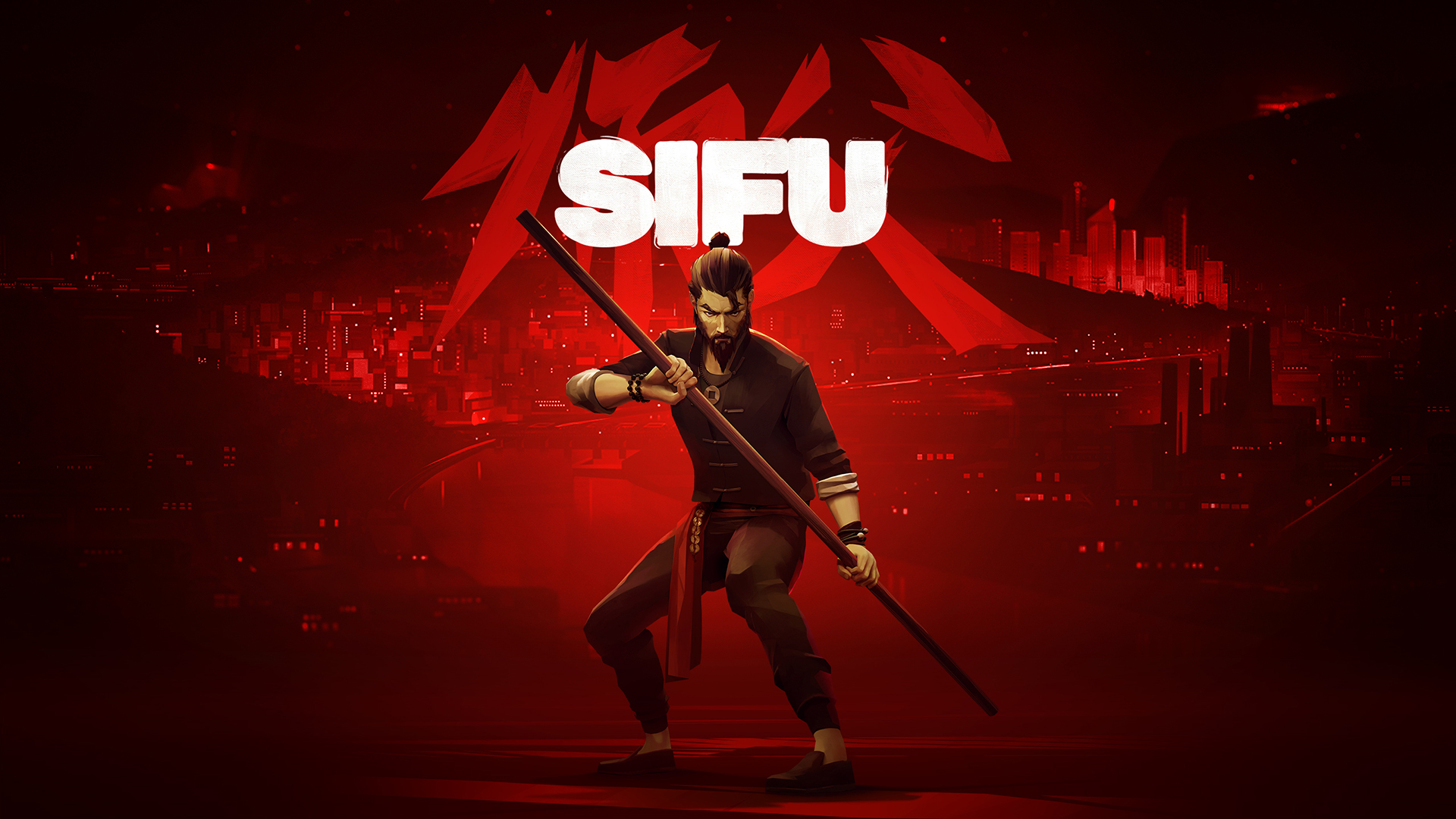
Quick Review
Sifu turns stylish kung fu into a demanding lesson in positioning, timing and restraint. Parries, throws and environmental objects make controlling a crowded room deeply appealing, while resurrection that ages your fighter gives mistakes a visible cost. Replaying earlier encounters to improve later prospects can become tiring, even with broader difficulty options. Action fans who enjoy mastering a focused combat system will find more here than players wanting constant new scenery or effortless victories.
Sifu has a wonderfully rude answer to the usual action-game power fantasy. Yes, you can become the calm martial artist dismantling an entire room. First, however, you may have to become the person who gets punched while attempting something extremely ambitious near a table. Sloclap builds its single-player brawler around that gap between looking cool and understanding why a fight went wrong.
The revenge setup is direct: a young fighter pursues the assassins responsible for their family’s destruction. A mystical pendant offers resurrection, with aging attached as the invoice. That premise gives a familiar story a sharp mechanical hook. Success means more than reaching the next doorway. How much of your life did it cost to get there?
Quick verdict
Sifu is an excellent fit for players who enjoy learning a demanding combat system and improving through repetition. Its clever aging mechanic gives mistakes real weight, while difficulty options make the invitation wider than its fearsome reputation suggests. Come for the kung fu fantasy; stay because that one room is absolutely not getting the last word.
The best move is often paying attention
The combat revolves around health and Structure, a measure of how close a fighter is to having their defenses broken. Fill an enemy’s Structure gauge and a takedown becomes available. Let your own fill and you become briefly vulnerable. Blocking everything is therefore an invitation to trouble, even before somebody’s friend enters the discussion with a weapon.
Parries, evasive movement, throws and positioning give the system its personality. A room full of enemies demands more than memorizing a lengthy combo. Separating threats matters. So does creating space before the crowd closes in. Furniture and throwable objects become useful parts of that decision-making, which is a far better use for interior design than simply watching it explode.
This is why Sifu’s action deserves attention beyond its stylish presentation. The cinematic fantasy grows out of practical decisions. A confident fighter controls the encounter rather than merely producing more attacks. That distinction gives the combat room to remain interesting after the initial spectacle wears off, but it also means careless button-mashing reaches its ceiling quickly.
Every defeat leaves a birthday behind
On the original Disciple difficulty, successive deaths increase the number of years lost when the pendant revives you. Specific victories and other systems can reduce that death counter, but the larger pressure remains: resurrection is a limited resource. Aging trades maximum health for increased offensive power, making an older fighter more dangerous without simply making them safer.
It is an elegant expression of the story’s obsession with revenge. Progress consumes the protagonist even when they keep moving forward. The cost is visible, easy to understand and more personal than a generic pile of lost currency. A bad encounter can poison the prospects of a run, which gives ordinary fights a useful edge of anxiety.
That same design can become exhausting. Replaying earlier areas to reach later ones at a younger age is central to the appeal, and central to the possible annoyance. Shortcuts and persistent learning ease the repetition, but they do not erase it. Players who primarily want fresh scenery and steady story progress should take that seriously. Sifu measures improvement in cleaner execution, not just new locations unlocked.
A tough teacher with more ways to learn
The launch-day reputation needs an important update: Student, Disciple and Master difficulty settings exist. Student gives the protagonist more health and Structure, softens enemy behavior and limits the death counter. Disciple preserves the original challenge, while Master raises the demands. Choosing Student is a perfectly sensible way to enjoy the choreography without turning every evening into an entrance exam.
The expanded training mode also provides a place to practice against defeated enemy types and bosses. That is valuable because the game asks for recognition as much as reflexes. An opportunity to study a troublesome pattern away from the consequences of a full run makes improvement more deliberate.
For players who want further combat challenges, the PC and PlayStation storefronts advertise a free Arenas expansion with 120 challenges across 15 locations. Its separate objectives give the fighting another context beyond advancing the revenge story. The enduring attraction is a compact set of mechanics being pushed in different directions, rather than an endless stream of disposable equipment.
Who should step into the room?
Sifu first launched on February 8, 2022 for PC through Epic, PS4 and PS5. Switch followed later in 2022, with Xbox One, Xbox Series X|S and Steam arriving in March 2023. Sloclap also announced iOS and Android versions for October 12, 2026. Those later releases should not be confused with the original launch, or treated as proof that every version offers identical performance and controls.
The strongest recommendation goes to action fans who enjoy turning an intimidating system into something readable. Sifu makes patience and restraint central to a genre often sold on aggression. Its narrow focus is a strength when you want to master a fighting style, and a limitation when you want a sprawling adventure or a relaxed succession of victories.
Give it the right expectations and the appeal is clear: a disciplined, replay-driven brawler with a distinctive cost for failure. The fantasy is worth earning. Just remember that the furniture is available to help, and your opponent has no obligation to admire your elaborate plan.
Sources
Official game information and supporting reporting.
[1] Sifu official PC storefront · [2] Sloclap: How Sifu’s kung fu combat works · [3] Sloclap: death and aging systems · [4] Sloclap: developer survival tips · [5] Sloclap: Spring 2022 update · [6] Official PlayStation storefront · [7] Official Sifu mobile announcement · [8] Sifu Xbox and Steam release announcement · [9] Gematsu Sifu release history