SHINOBI: Art of Vengeance Review
Quick Review
SHINOBI: Art of Vengeance pairs hand-drawn ninja action with a moveset that opens routes as well as enemies. Finishers feed upgrades, while attacks that break barriers or launch opponents give combat and exploration a pleasing shared purpose. Returning with new abilities is part of finding secrets, and optional precision-platforming trials demand their own appetite for punishment. It suits action fans who enjoy expressive fighting and revisiting stages, with a sensible tolerance for professionally arranged spikes.
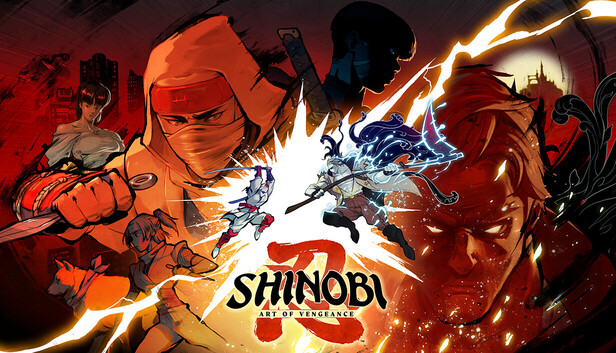
Joe Musashi comes home to a burned village and a clan turned to stone, which is a fairly decisive way to cancel everybody’s weekend. SHINOBI: Art of Vengeance makes that disaster the starting gun for an all-new, hand-drawn action platformer, rather than another polished reissue. The premise is gloriously direct: a ninja has a grievance and an extensive collection of sharp replies. Its appeal lies in how much expressive machinery fits inside that simple revenge assignment, not in pretending the assignment needs a committee.
A new story with a hand-drawn identity
Lizardcube’s creative director Ben Fiquet describes influences spanning French comics and Japanese animation, while Sega’s producer explicitly distinguishes this new story from a sequel or side story. That is a useful creative position: recognizable ancestry without compulsory homework. The same interview describes separate stages rather than one enormous interconnected map, with later abilities opening previously inaccessible routes. This structure offers a sensible compromise between forward momentum and revisiting familiar territory. Exploration has room to matter without requiring the entire adventure to become a single sprawling floor plan. The potential annoyance is equally clear: returning for secrets is still returning. A stage-based description needs that qualification for players who want every cleared stage permanently crossed off their mental clipboard: locked routes are an invitation to return.
Combat that opens routes
A later developer interview explains that the execution system emerged after a prototype playtest exposed something missing. Finishers supply resources for upgrading Joe, making stylish violence part of the progression economy rather than merely a decorative flourish. That is an effective incentive on paper: the game rewards learning how to end a fight, not only surviving one. Sega’s producer describes the developing moveset as shifting from an action character toward a fighting-game character. The interesting promise is authorship, letting players assemble an approach rather than simply receive bigger damage numbers. Fiquet also says Joe’s almost nonexistent dialogue is an intentional joke. A protagonist who saves his breath for fighting is refreshingly economical in several departments.
The ability breakdown shows why that vocabulary can be more than marketing. Cannon Punch breaks armor and barriers; Sword Dive launches enemies while smashing particular floors. These are attacks that also answer navigation questions, a pleasing alternative to carrying a separate key for every inconvenient wall. Ninpo adds distinct tactical shapes: Water counters incoming attacks, while the Great Serpent takes time to cast. Those differences create a more interesting decision than choosing whichever icon currently looks most expensive. Position, vulnerability and preparation become part of the question. Ninjutsu, meanwhile, uses a full Rage Gauge for a larger intervention. The distinction matters: ordinary techniques and emergency spectacle should not all collapse into one indistinguishable bucket of ninja fireworks.
Sega’s post-launch platforming overview makes the optional demands particularly clear. Hidden Ankou Rifts provide difficult trials, and later challenges draw on the accumulated toolset. Its example of the Lantern Festival’s Secret Cave involves spikes, flamethrowers and safe spots from which to assess the next move. That is not merely decorative terrain between fights; it asks for timing and route reading. It also gives cautious players a useful buying distinction. Enjoying combat does not automatically mean enjoying repeated precision jumps over lethal architecture. Optional mastery challenges can extend a game elegantly, but they remain a specific appetite. A ninja obstacle course is still an obstacle course, however beautifully somebody has arranged the spikes.
Free updates and paid villains
The current package also needs separating from the original launch pitch. The SEGA Villains Stage DLC actually arrived in April 2026, with five stages and crossover bosses Majima, Dr. Eggman and Death Adder. It is an extravagant guest list: revenge now has visiting department heads. More importantly, the accompanying free update brought Hardcore mode, changing damage, healing and enemy placement while adding boss attack patterns; it must be selected for a new game. That is a substantive alternative ruleset, not just a badge for replaying unchanged encounters. The free update also supplies hit-stop and flash options, camera-shake adjustment, character outlines, a larger map view and tutorial review. Those are useful concessions to readability and recall. Challenge and clarity are not enemies, and being able to reduce visual commotion is not the same thing as asking the enemies to surrender.
A free-update mention should not imply free ownership of the crossover expansion. Sega’s July notice explains that patch 1.2 added a store link for buying the Villains DLC, prompting an ESRB in-game-purchases descriptor. That clarification is more informative than either assuming every addition is included or treating the label alone as proof of an endless shop economy. The stated change is a purchase link. Buyers deserve that concrete distinction before deciding whether the extra encounter package belongs in their budget.
SteamOriginsDesignAbilitiesPlatformingUpdatePatchPurchases