Ninja Gaiden 4 Review
Quick Review
Ninja Gaiden 4 makes stylish swordplay a question of positioning, timing and how much danger you fancy standing beside. Bloodraven Form offers useful choices between defensive safety and exploiting openings, while adjustable assists and training give newcomers room to grow. The restless traversal leaves less breathing space between fights than some players will want. Come for expressive combat you can study and refine, rather than a quiet sightseeing trip through Tokyo.
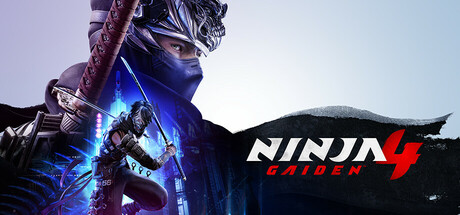
Ninja Gaiden 4 sends new protagonist Yakumo into a near-future Tokyo under an ancient curse, with Ryu Hayabusa returning and everyone apparently agreeing that the solution requires more blades. The collaboration between PlatinumGames and Team Ninja pairs the series' combat tradition with transforming weapons and a new ninja's perspective. This is a single-player action game, not a tranquil tour of metropolitan landmarks. Its central attraction is the possibility of turning a hostile encounter into something deliberate and stylish. Looking impressive is appealing; having enough control to decide how you look impressive is the more interesting promise.
Bloodraven Form and forward momentum
Bloodraven Form gives that promise a specific tactical shape. Director Yuji Nakao described a counter that can stagger even heavily protected enemies, with a useful catch: doing it from farther away can be safer, but leaves you less able to exploit the opening. Close the distance and the potential reward improves alongside the danger. That is a better argument for a transformation than simply making every number larger. The form also changes ordinary inputs into different actions, including a sword-assisted perch that briefly offers invincibility and a chance to observe the battlefield. A ninja stopping to take stock sounds suspiciously sensible, even if his observation platform would invalidate several building regulations. The appealing tension is between using power to protect yourself and using it to create another opportunity. Those are different decisions, not interchangeable ways to make the screen turn red. A powerful transformation does not choose between safety and exploiting an opening for you; wanting that judgement call is part of the appeal.
Movement between fights follows a similarly restless philosophy. In a separate interview, Nakao explained that the rail sequences were intended to maintain momentum rather than let transitions become empty space. He also acknowledged the risk of making already dense stages bloated, describing repeated adjustments with Team Ninja to find the balance. That is the right problem to be worrying about. More movement is not automatically better pacing, and a spectacular journey can become an interruption if you are impatient to return to combat. Here the design is at least explicitly concerned with how one encounter feeds into the next. Whether that appeals depends on how much breathing room you want between bouts. Anyone hoping that defeating a roomful of enemies earns a quiet commute should adjust their expectations. Tokyo has apparently cancelled the gentle walking portion of the itinerary.
Difficulty and training on your terms
The difficulty options make a more generous offer than the reputation might suggest. Team Ninja's Masakazu Hirayama explains that Hero mode includes automatic defensive assists which can be individually disabled, while Hero, Normal, and Hard can be changed during an initial story run. This lets a player remove help gradually instead of making one heroic menu decision and living unhappily with it. The training tools are intended for both newcomers learning acquired techniques and experienced players testing combinations, cancel routes, and enemy behaviour. That is a useful distinction: practice is not exclusively remedial work. A space to experiment can be part of the pleasure, particularly when you want to understand why something worked rather than merely celebrate surviving it. None of this guarantees that the action will suit everyone, but adjustable help is a better invitation than asking a new player to submit a ninja résumé.
Updates and The Two Masters
PC maintenance has addressed narrower issues too. The December 2025 update fixed unwanted letterboxing with certain monitors and HDMI connections in windowed fullscreen. That is a specific display correction, not evidence that every hardware combination now behaves perfectly. For a game built around reading movement, however, an incorrectly framed picture is a practical nuisance rather than a charming extra difficulty setting.
The March 2026 free update added configurable weapon sets and the ability to skip the sequence that plays after death. Both are sensible priorities for an action game: organising your tools and getting another attempt should not become the main opposition. The same update included combat adjustments and progression fixes. These are shipped changes, not a promise that buying an expansion will eventually persuade the menus to cooperate.
The Two Masters is separate paid content, also included with the Deluxe offerings. Its story requires completing the original campaign, while its new weapons become available after the tutorial. Nakao's explanation of Ryu's Jakotsumon gives the addition a clear purpose: its extending attacks can move enemies toward Ryu or move Ryu toward them. That makes positioning part of the weapon's identity rather than an incidental bonus. It is a fitting extra for players who want more possibilities to study, not something a newcomer needs to purchase before discovering whether the base game's combat interests them.
SteamCombatTraversalOptionsDisplayUpdateExpansionLaunch