Quick Review
Kingdom Rush 6: Genesis gives tower defence fresh choices through specialised units and alternative modes, including a familiar classic toolset. A tree that can leave its artillery position to block the road neatly captures the attraction: placement and commitment matter beyond raw damage. Progression and compatibility concerns deserve attention, particularly the launch-blocking issues recorded in the review. It suits strategy fans who want to reconsider established defences, rather than simply replay an old campaign.
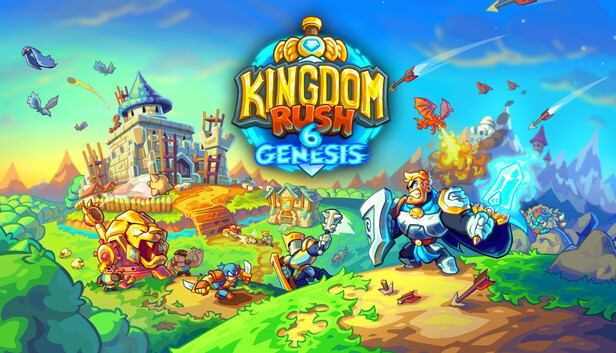
Kingdom Rush 6: Genesis sends its defenders into the past to stop a younger Vez'nan. Apparently, defeating a villain is less reliable than finding the paperwork that authorized him. This is a source-based look at the Steam version, released September 24, 2026.
Familiar towers, new decisions
Genesis's return to familiar territory should not be mistaken for a remake. Ironhide's Classic Rush explanation is unusually helpful about that distinction: the campaign is new, while this extra mode brings back the original tower lines and the Rain of Fire and Reinforcements spell pairing. It also limits the player to one hero, though that hero can come from the new roster. The nostalgic assets have been rebuilt rather than simply lifted from the old game. More importantly, those restrictions give familiarity an actual function. Classic Rush offers another set of tools for solving the campaign's problems, rather than merely repainting them. It is one of five additional modes, alongside Iron Challenge, Blitz Challenge, Hero Party and Spell Rush. Returning veterans therefore have a recognizable starting point without the entire sequel being required to stand still.
The Ironbark Treant supplies a particularly neat reason to move on. Rooted in place, it behaves as artillery, striking nearby enemies with its fists. Uproot it and it walks onto the path to block and fight them directly. The choice is legible even before a damage spreadsheet arrives: keep the tree working from its position, or commit it to holding the road. That's a much stronger use of a living tower than occasionally making the branches wiggle. Its story also belongs to the time-travel premise. These guardians come from a forest that has not yet completely succumbed to corruption, leaving room for a familiar enemy lineage to become an ally. Landscaping has rarely involved such a consequential career change.
The Dwarven Culverin's design pitch is simpler, and benefits from it. Ironhide describes artillery that sacrifices reach for firepower. Shorter range asks for more care about where the gun sits and when enemies enter its useful patch of road; power alone cannot cover ground it cannot reach. That is a concrete constraint around which to build a defense, rather than another cannon distinguished mainly by its hat. Whether the tradeoff feels fair needs play evidence. The documented intent, however, gives the tower a clear job.
A prequel with a dangerous sword
The story's time machine is a sword, which seems an unnecessarily hazardous interface but does explain why everyone wants it. The lore account traces the Sword of Elynie through generations of theft and conflict before Vez'nan and Magnus separately discover its ability to pierce time. Vez'nan fears somebody else using it to undo his achievements, an understandable anxiety for a man whose achievements require so many defenses. That motive gives the return to old territory something beyond anniversary sentiment. History becomes disputed ground rather than a backdrop to admire. It doesn't tell us whether the campaign delivers those ideas elegantly between battles; it does establish a useful reason for the familiar world to be different.
Ignus makes that difference personal. His character account follows an impatient wizard who prefers fighting up close to waiting for spells to do everything. By Genesis, his training has brought him close to remaining permanently wrapped in flame, with his human form only briefly resurfacing. The prequel catches a recognizable character before his transformation is quite complete. That's the sort of returning face worth revisiting: there is a change to notice, not just a name to applaud. His impatience also makes a pleasing contrast with the usual image of a stationary, scholarly mage. The faculty's fire insurance must have been extraordinary.
Progression after demo feedback
The more consequential changes are less theatrical. Ironhide abandoned individual tower leveling after demo feedback and restored global tower upgrades; heroes and spells retain their own progression. Patch 1 then reduced the experience needed for maximum hero and spell levels and lowered fifteen Steam unlock thresholds. Those are documented attempts to make experimentation less expensive in time, not proof that every remaining grind has vanished. The patch also adjusts difficult waves, tower positions and several underperforming towers. Those Steam changes cannot establish the same purchases or unlocks on mobile. There are still practical cautions to check against your build. Ironhide's earlier issues notice reported Windows Smart App Control and hero drag-line problems; its October 23 update still discussed a launch-blocking DLL-signature issue. Patch 2 shipped on October 29 with balance changes and bug fixes, but those published notes do not explicitly establish that both earlier issues are resolved. Weakening security settings is not a sensible purchase requirement. For now, the maintenance record offers both reassurance that complaints are being addressed and a reason to check compatibility before buying. A tower-defense game should challenge the route to the castle, not the route from your desktop to its opening screen.
SteamClassicTreantCulverinSwordIgnusPatchUpgradesIssues · Kingdom Rush 6: Genesis – Patch 2 Notes · We're still reading: Patch 2 is on its way