Quick Review
Honeycomb: The World Beyond combines alien exploration, base-building and experimentation with plants and animals. Research gives curiosity a practical direction, while food effects and adjustable survival pressures create choices about how demanding the expedition should be. Its save-repair history deserves attention if lost discoveries would spoil a long visit, and this is a solo adventure. It is most appealing to players who enjoy settling into scientific tinkering rather than seeking a purely carefree sightseeing trip.
Honeycomb: The World Beyond gives you an alien planet and a scientific excuse to poke around. Released September 2026, Frozen Way casts you as bioengineer Hennessy, researching Sota7 while building a base and experimenting with its plants and animals. Curiosity comes with a packing list.
Exploring Sota7 and its alien technology
The developer's prerelease August field guide introduces the intended geography, not an independently verified itinerary. It describes the Valley as a gentler place to learn observation habits, with marshland, waterways and curious wildlife, before the Headlands introduce more assertive predators and a less forgiving landscape. The Pass is presented as a destination to work toward, while coastal and submerged areas connect the wider ecology. What makes the arrangement interesting is the attempt to give research a progression of its own. Learning to read a relatively welcoming environment should prepare you for one less inclined to cooperate. An alien expedition ought to involve more than discovering that the next hill also contains inventory.
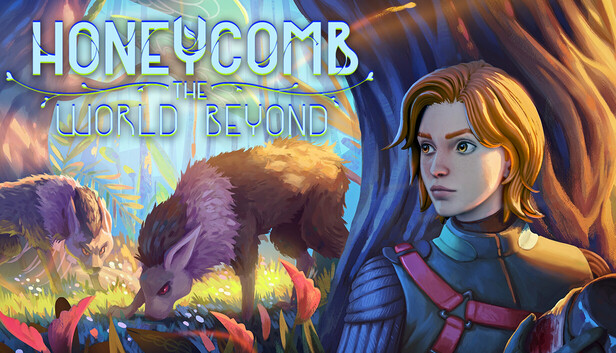
The equipment has an unusually specific visual starting point. In a January 2023 design diary, Frozen Way explains its futuristic interpretation of Art Nouveau: flowing structures and plantlike shapes rather than science fiction pasted onto an existing style. The technology designer began by turning an ordinary chair into separate futuristic and Art Nouveau versions, then combining the approaches. That is an admirably practical way to develop an alien design language. Before saving humanity, somebody had to sort out the seating. The same diary describes solar panels evolving from sail shapes toward blossoms and a buggy informed by fish references. These are accounts of the design process, not assurances that every pictured prototype survived unchanged. A laboratory need not look as though somebody dropped an office park into a forest and hoped nobody would notice. A prototype image is not confirmation that the pictured object survived unchanged into the released adventure.
The single-player expedition today
One old promise definitely should not follow you into the current purchase. Frozen Way announced in March 2023 that it had stopped developing co-op, explaining that it preferred to explore the single-player ideas more deeply rather than divide its effort across both modes in a new engine. The abandoned plan is not a hidden feature waiting for you and a friend to discover the correct menu.
The October 20 update supplies more useful evidence of how the survival side now works. It reworked twenty-eight recipes, giving prepared dishes effects beyond modestly improving their ingredients. Somnia Tea, for example, makes wildlife ignore you while increasing how quickly you tire. That is a proper tradeoff: being left alone is pleasant, but the bill arrives as exhaustion. The update also halves the weight of crafted dishes. More importantly for players who dislike committing to the wrong level of friction, Engineer settings can now be changed during a run. Hunger and animal aggression need not remain decisions made before you understood their consequences. Options that permanently affect the world ask for confirmation. Storage also gains Take All and Store All buttons, while automatic stacking combines compatible items without leaving several partly filled piles. These documented changes make the customization more forgiving without requiring everyone to want the same expedition. They do not prove that every recipe is balanced or every setting behaves flawlessly. They show a clearer willingness to let players adjust the demands placed on their time, which is relevant in a game asking them to settle in and experiment. Check the update date before assuming hunger or aggression choices must stay fixed for the entire run.
Save repairs and remaining caution
That invitation needs dependable saves behind it. September's ninth hotfix describes animals disappearing during autosaves, previously collected data boxes resetting and discovered map icons going missing. The developer reports fixing the underlying save-writing problem and repairing affected records when a save loads. The repair uses unlocked blueprints to reconstruct collected data boxes and compendium records to restore known map icons. Empty nests rebuild their animal populations on loading, rather than leaving a permanent gap in the ecosystem. That is a more useful response than merely preventing the next occurrence: it attempts to repair a journey already interrupted. Those are meaningful repairs for an exploration game: remembering what you found is part of the bargain, not a premium scientific service. The notes cannot establish that every save is now safe, and this source-based assessment cannot certify stability through personal play. Anyone especially sensitive to lost progress should consider that maintenance history before committing to a long visit. The most useful reassurance here is the specificity of the repair work, not a claim that the problem could never recur. Even pioneering research deserves a notebook that keeps its pages.
SteamLaunchDemo2024Demo2026SurveyDesignScopeUpdateRepair