Ghost of Yōtei Review
Quick Review
Ghost of Yōtei connects a personal revenge story with an open landscape that invites detours for new weapons and approaches. Choosing a route can help shape how Atsu fights, while expressive scenery and photo tools give wandering a separate reward. The journey remains deliberately structured rather than completely open, and cooperative Legends is distinct from the solo story. It suits players who enjoy balancing focused drama with exploration and refining their preferred fighting style.
Atsu has returned to Ezo with a family tragedy behind her and revenge ahead. Ghost of Yōtei, Sucker Punch's standalone adventure released on PS5 on October 2, 2025, puts that pursuit in seventeenth-century northern Japan. Its basic appeal is legible before anybody unsheathes anything: an intimate grievance crossing an enormous landscape. That contrast matters. A revenge story wants to move straight towards its target; an open world earns its keep by making the journey worth interrupting. The interesting question is what those interruptions offer beyond more addresses for violence. A map-size figure cannot tell you whether the diversions sound worth delaying Atsu’s revenge for.
Choosing a route through Ezo
The strongest answer is that choosing a route can also mean choosing a fighting style. In the developers' design interview, the Kitsune path expands stealth options, while other routes offer different weapons and abilities. Weapon-teaching quests advertise their rewards, making the next destination a practical decision rather than just the nearest map decoration. This is freedom with useful signposts: you can pursue the tools that suit the warrior you want to become. There is a necessary compromise, though. The directors describe rejecting an earlier, excessively open structure because Atsu still needed a coherent story. Expect a shaped journey with branching priorities, not six villains patiently running independent appointment calendars.
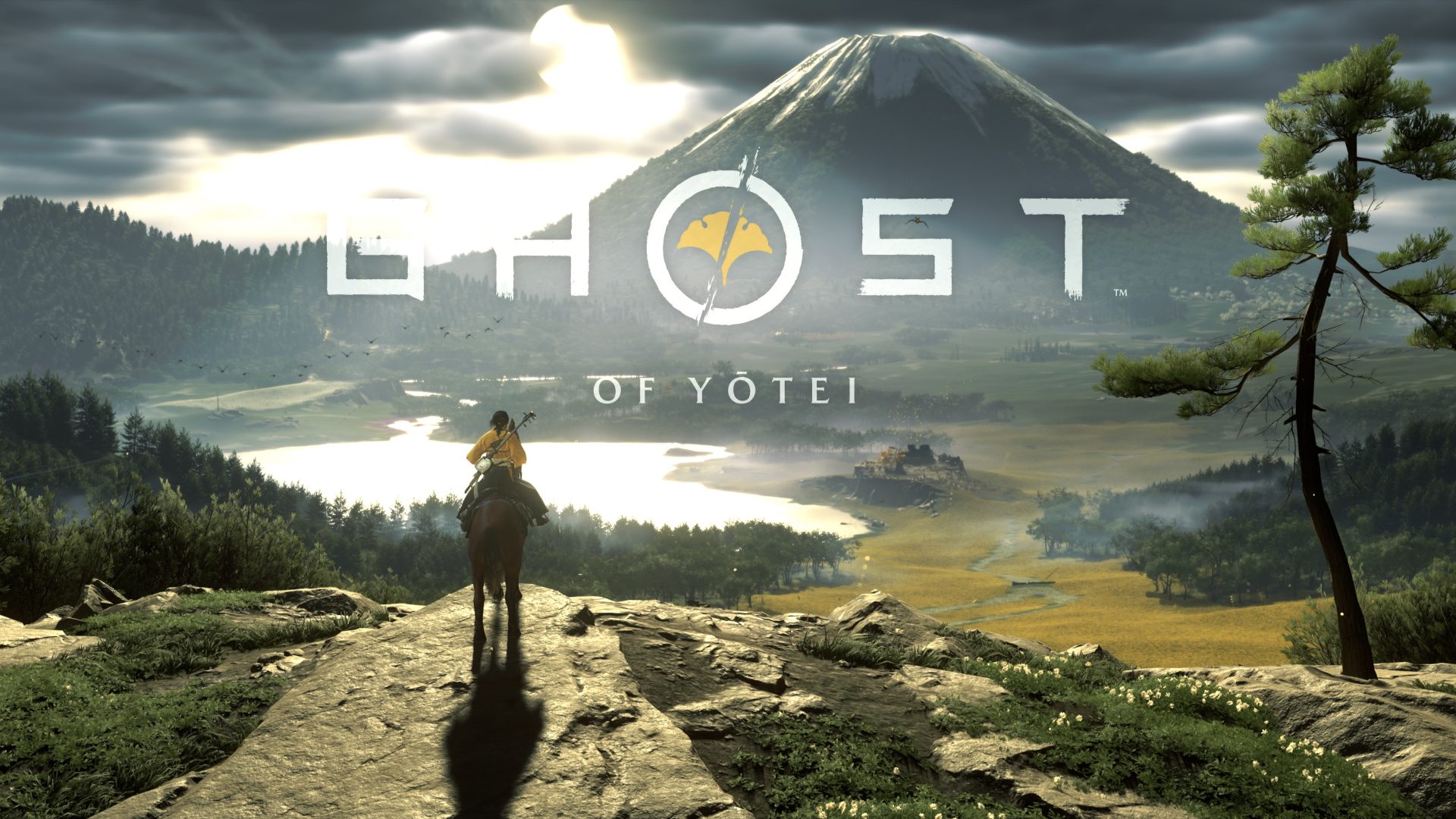
The landscape is part of that invitation, not merely expensive wallpaper. Programming director Adrian Bentley explains that longer sightlines were built to support curiosity-led exploration. Distant terrain, thicker vegetation and moving cloud cover serve a navigation idea: see something compelling, then head towards it. Grass can be cut and snow deforms under movement, giving combat a visible relationship with its surroundings. That is a more persuasive use of spectacle than a resolution number on a box. It makes the wandering warrior feel physically present in the scene. It does not, however, turn a developer's technical breakdown into an independent performance test; no frame-rate verdict is being smuggled through these flowers.
Photo Mode gives the scenery a second job. Alongside focus, weather and time-of-day adjustments, it supports animated environments and tracking shots assembled from multiple camera positions. That is enough control to make composition an activity rather than a screenshot button wearing a fancy hat. The appealing distinction is authorship: the adventure determines the situation, but you can decide its mood and framing. There is also a wonderfully absurd possibility in pausing a desperate fight to consider whether it needs more birds. For anyone who enjoys visual experimentation, these tools offer a separate reason to linger without pretending another cosmetic filter is another mission.
Accessibility keeps different challenges separate
More importantly, the settings acknowledge that dramatic swordplay should not require everybody to wrestle the same interface. Official support lists larger combat glints, stronger guiding-wind visibility, custom combat difficulty, simplified rapid-button sequences, and alternatives to motion or microphone inputs for activities such as forging and campfires. These address different obstacles rather than treating accessibility as one giant easy button. Making an attack readable is not the same decision as weakening an enemy. Replacing a physical input is not the same as skipping an activity. That separation lets more players keep the parts of the challenge they actually want, while retiring the controller's occasional audition as a percussion instrument. An accessibility summary is more useful when it separates clearer information from reduced combat difficulty.
Legends is its own cooperative adventure
The current package also has Legends, a separate online cooperative mode free to owners, with PlayStation Plus required for multiplayer. Two-player story missions lead into four-player Incursions; Survival instead asks teams to hold territory against waves. Its blessings and curses give territory a consequence beyond a coloured patch on the floor. Lose control and the situation can actively worsen. That makes cooperation about defending a shared advantage, not simply placing four damage dealers near the same large problem. Four classes provide different weapon specialities, rather than turning Atsu's solo campaign into a crowded carpool.
Legends' raid pushes coordination further. The developers describe puzzles and battles designed for four players, with boss replay access intended to spare teams from repeating the entire approach after running out of time. That is a useful distinction between testing teamwork and testing everyone's calendar. In May 2026, lead designer Darren Bridges called the raid the last major planned Legends update. Read that as a completed content plan, not a promise of endless seasons or an announcement that multiplayer has closed.
What the Complete Edition adds
Buyers now need to distinguish the original game from its Complete Edition content. Echoes of Sekigahara adds a narrative expansion connecting Atsu's past on the mainland with a new Ezo valley; Most Wanted is a single-player combat survival mode built around bounty runs and earned perks. They belong to the paid Complete Edition or its upgrade, delivered through patch 2.0, not the free Legends entitlement. Most Wanted offers a particularly clear alternative to another long journey: concentrate on combat and experiment with a build. The buying question is therefore not whether revenge needs more packaging, but whether you want more story, repeatable fighting, or both.
LaunchStoreDesignTechnologyPhotographyAccessibilityLegendsRaidExpansionCurrent contentGame information
- Developer
- Sucker Punch Productions Sources: PlayStation
- Publisher
- Sony Interactive Entertainment Sources: PlayStation
- Genres
- Action Sources: PlayStation
- Modes
- Single-player · PlayStation 5; Online co-op (4 players) · PlayStation 5 · Legends; PlayStation Plus required. Sources: PlayStation