Clair Obscur: Expedition 33 Review
Quick Review
Clair Obscur: Expedition 33 combines turn-based party decisions with real-time dodges, parries and timed attacks. Character-specific mechanics make preparation interesting, while learning enemy patterns gives their turns genuine urgency. That reactive defence is the main caveat for anyone wanting an unhurried RPG, and its striking fantasy world carries mature, potentially disturbing themes. It is most appealing to players who enjoy building a plan and then performing it under pressure.
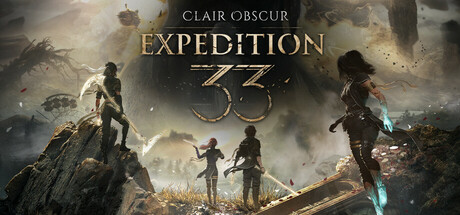
The Paintress makes an annual appointment with mass disappearance. Each year she marks a number on a monolith, and people of that age disappear. Expedition 33 sets out to stop the cycle. That is a nasty premise for an RPG, giving the usual journey toward an enormous problem a brutally personal deadline. Saving the world is admirable. Saving the possibility of your next birthday is considerably more motivating. The adventure starts with people confronting that deadline, not collecting their destiny from reception.
Turn-based planning meets real-time defense
Its combat makes an equally pointed argument against complacency. You can consider your choices during your turn, but enemy attacks demand real-time dodges, jumps or parries. Timing also matters when executing offensive skills, and aimed shots can exploit exposed weak points. This is not simply an action game wearing a menu as a disguise: deciding what to do and successfully performing it remain separate responsibilities. That combination is the attraction and the warning. If you like planning but dislike being put on the spot, the defensive half may feel like your chess opponent suddenly asking you to catch the board. If learning attack patterns appeals, it gives the other side's turn a reason to matter.
The distinction between dodging and parrying provides a useful risk calculation: dodges allow more generous timing, while successfully parrying an entire attack sequence can produce a counterattack. Character mechanics add another layer. Gustave builds his mechanical arm's charge; Lune uses elemental Stains to strengthen skills. Those are different kinds of preparation, not merely different hats on the same damage button. Exploration also has a persuasive narrative purpose. Flying Waters contains the traces of an earlier expedition, alongside routes using ropes, climbing hooks and a grapple. Following those remains makes curiosity part of the story: somebody tried before you, and their failed journey still shapes your way forward. That is a stronger reason to inspect a detour than a map politely yelling about completion percentages. It also connects the two halves of the adventure neatly: the world invites investigation, while battles turn close observation into a practical defensive skill.
Updates, extra content and a PC caveat
Several post-launch improvements address the friction around those ideas. July 2025's 1.4.0 update added a prompt to retry defeated battles, displayed Lumina costs more clearly, and gave Lune's Stains icons to improve readability for colorblind players. Those changes deserve attention precisely because they are less glamorous than a boss reveal. A game asking you to learn through failure benefits from making another attempt straightforward; a system built around recognizing elements should not make color recognition the hidden entrance exam. Separate exploration and combat volume controls also let players adjust the experience without treating every part of it as one enormous noise.
The free Thank You update subsequently added Verso's Drafts, a new environment with a childhood-inspired aesthetic, additional weapons and Luminas, and tougher late-game encounters in the Endless Tower. More importantly for anyone who enjoys experimenting, it introduced saved Lumina loadouts and better filtering. Rearranging a build should feel like developing an idea, not reorganizing a junk drawer while an impatient monster checks its watch. The PlayStation announcement describes photo mode with adjustable lighting and cinematic access. These additions broaden the package without requiring you to confuse cosmetic collecting with the main attraction. The appeal is still that meeting point between character-building decisions and performing under pressure.
The June 2026 1.5.6 notes show maintenance continuing, including Arabic text support, corrected combat interactions and missing audio cues. They also acknowledge a crash affecting certain PC configurations when entering the Reacher or leaving the Manor, with a temporary workaround of reducing Global Illumination below Epic. That caveat matters more than a vague promise that everything is now polished. A useful documented workaround is not a verified permanent fix. Anyone buying principally for the PC presentation should keep that distinction in mind rather than interpreting a long patch history as a warranty.
The tone and the player it suits
This is also not a lighthearted adventure simply because the fantasy scenery is colorful. The developer's content notice includes violence, blood, suicide and potentially disturbing imagery. Treat the premise accordingly. For players comfortable with those themes, the combination of a Belle Époque-inspired world, party-building and reactive combat makes a compelling proposition. For those seeking a purely unhurried RPG, that last ingredient is the potential deal-breaker.
LaunchCombatExplorationRetry updateFree contentSteamPC caveatContent details