Quick Review
Citizen Sleeper makes a handful of dice carry the weight of a whole precarious life. Its text-heavy sci-fi RPG pairs daily survival decisions with people worth making time for, turning a battered space station into somewhere you might actually want to belong. It is an easy recommendation for patient readers who enjoy character-driven roleplaying and choosing which problem gets today's limited resources. Come for the relationships and atmosphere, though, rather than deep combat or an endlessly demanding survival simulation: the pressure can ease as your options grow, and the reading is very much the main event.
A body with terrible terms and conditions
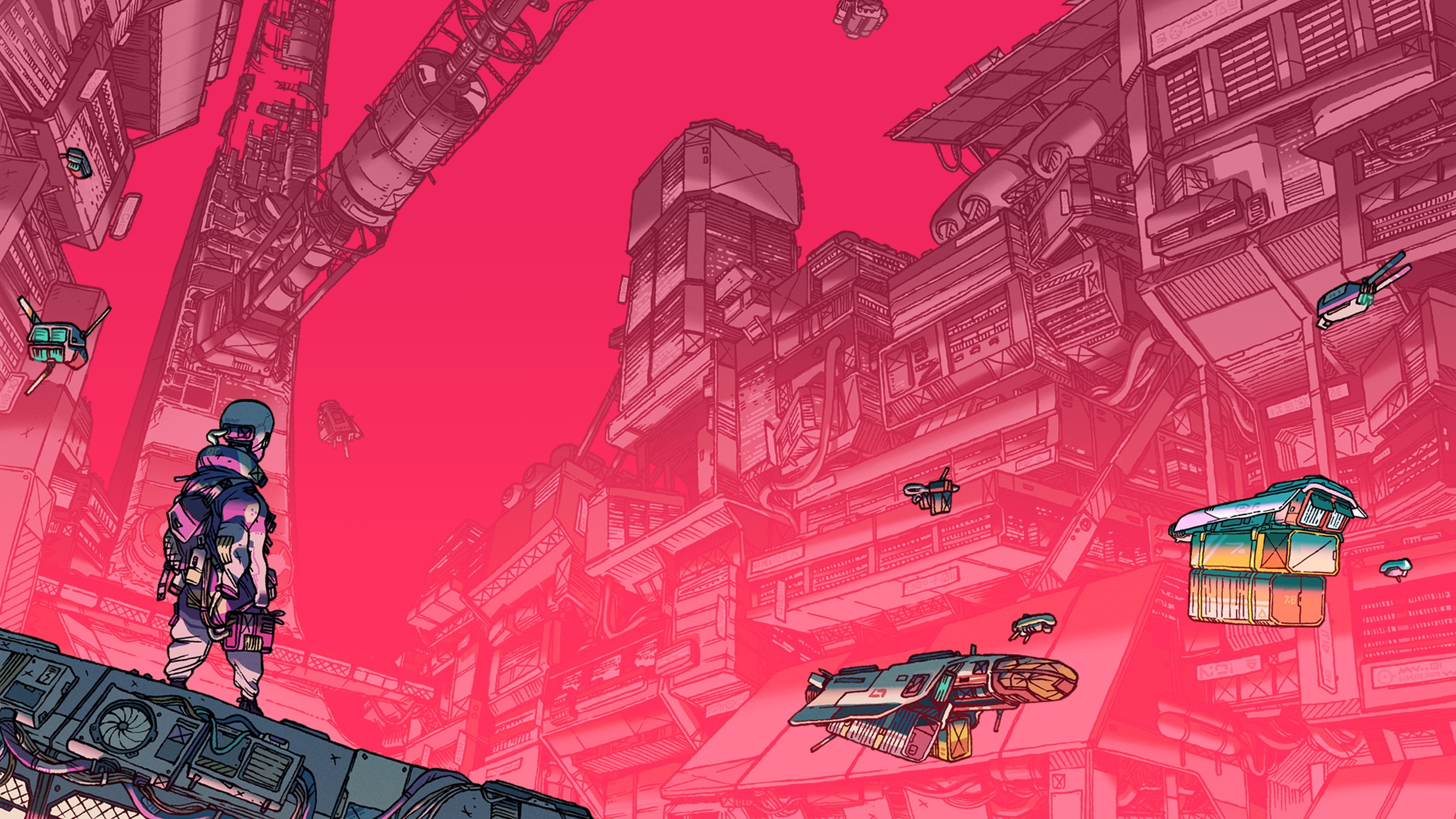
Most employers stop at borrowing your weekdays. Citizen Sleeper imagines one that owns the body you spend them in. You play an escaped synthetic worker carrying a copied human consciousness, hiding on Erlin's Eye while the corporation that considers you an asset would quite like its property returned. The premise is grim; the wonderful surprise is how much room it leaves for ordinary kindness.
Jump Over the Age's narrative RPG finds its strongest argument in scale. A space station can host grand political struggles, but dinner, a reliable job and somebody who remembers your name still matter. That makes the setting more persuasive than another encyclopaedia of fictional corporations. You understand the system through the things it makes difficult, rather than needing to pass a lore exam before caring.
The design also makes generosity an actual decision. Helping somebody competes with earning enough to maintain yourself. A friendship therefore occupies a space on your calendar as well as a paragraph in the story. That is a clever foundation for roleplaying: being a good neighbour costs something, even when the thing it costs is simply your last useful action.
Five dice and a very long to-do list
Each cycle gives you dice to spend on activities around the station. Better numbers generally improve an action's prospects, while your skills modify the calculation. Your condition influences how many dice you get, and keeping your artificial body functioning means finding stabilizer alongside the everyday business of eating and earning. The unpleasant little feedback loop is the point: struggling can reduce your capacity to stop struggling.
Crucially, a low roll is not automatically rubbish. Hacking uses particular values, giving apparently disappointing dice a different job. That small rule does considerable work. It encourages you to survey the day's possibilities instead of treating luck as a verdict handed down by a tiny plastic judge. Resourcefulness lives in deciding where an awkward result belongs.
Clocks make longer projects and approaching events legible. They turn vague intentions into visible commitments, letting multiple storylines jostle for attention without forcing every choice into one grand quest. The result is an appealing compromise between a tabletop campaign and a daily planner. Unfortunately, the planner has acquired existential dread.
There is a limit to the tension. As reliable opportunities and useful upgrades accumulate, the initial struggle can soften. That is thematically satisfying when stability is something you have earned, but less satisfying if the resource puzzle was your favourite part. Treat the systems as a way to create stakes for the characters, rather than expecting a survival machine that keeps tightening forever.
Bring reading glasses, not a laser rifle
Much of the experience happens through prose, conversations, portraits and a navigable station map. The writing has to supply the texture that an expensive cinematic might otherwise show. That makes attention the real entry requirement. If long conversations are what you normally skip on the way to the fighting, this is an unusually elaborate way to give yourself homework.
Guillaume Singelin's character artwork and Amos Roddy's music help keep that reading from feeling sterile. People have a presence beyond their usefulness as quest dispensers, while the presentation leaves space for imagination. The strongest reason to keep exploring is curiosity about somebody else's life, not the promise of a shinier weapon.
The open structure also invites a mismatch between the urgency a storyline describes and the security you may already have built. PC Gamer's launch review noted narrative sequencing oddities, while Push Square found the conclusions less satisfying than the journey. Those are useful cautions, not evidence that every old bug persists today. The sensible expectation is an absorbing web of personal stories, with unevenness around how its strands meet.
The original game first released on May 5, 2022, and is available on Windows PC, Mac, Nintendo Switch, Xbox One, Xbox Series X|S, PS4 and PS5. There is now a distinct Nintendo Switch 2 Edition, listed by Nintendo for June 25, 2026. The publisher also confirms the three-part post-launch episode arc is complete. Steam's Deluxe Edition bundles the game with its soundtrack and art book; the Helion Collection pairs it with Citizen Sleeper 2: Starward Vector. The sequel is a separate game, not an expansion you need to understand this one.
A life worth making room for
Citizen Sleeper earns its recommendation by making a small improvement in somebody's circumstances feel significant. Its dice give conversations consequences, and its people give the arithmetic a reason to matter. Choose it for thoughtful science fiction, morally interesting priorities and the pleasure of slowly finding your place. Skip it if you need constant action, dislike substantial reading or want an unforgiving optimisation challenge from beginning to end. For the right reader, the appeal is unusually clear: a future this badly organised can still contain people worth showing up for.
Sources
Official information and review sources supporting this article.
Fellow Traveller · Steam · Nintendo Switch 2 Edition · PlayStation · PC Gamer · Push Square · GameSkinny