Absolum Review
Quick Review
Absolum combines physical beat-'em-up combat with roguelite builds and branching, handcrafted routes. Repeated outings can develop quests and the hub as well as fighting skill, giving another attempt more purpose than simply reaching farther. The trade-off is a run-based rhythm and familiar spaces, while elaborate effects still need readable combat underneath. It suits players who enjoy experimenting with combinations and returning to improve, alone or cooperatively, rather than one uninterrupted march through the story.
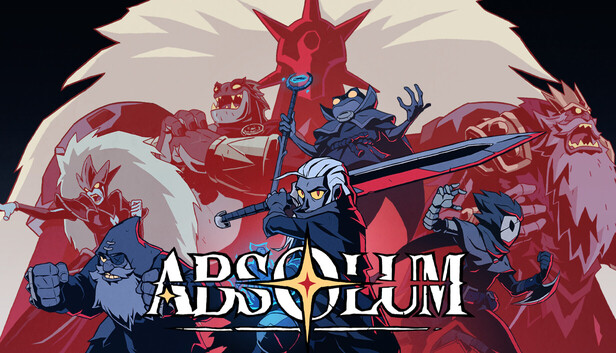
Absolum gives its rebellion a pleasingly unreasonable starting point: magic has helped wreck the world, so naturally the answer to a magical tyrant is more magic, applied with fists. This original fantasy beat ’em up mixes combo fighting with roguelite progression in Talamh. Its cast includes a sword-wielding necromancer and a dwarf with a blunderbuss. Subtle diplomacy appears to have missed the character-selection meeting.
Fighting, branching routes and repeat runs
The mechanical ambition is clearer in Guard Crush’s development account than in a generic promise of replayability. Its specialist engine had to accommodate verticality, precise hitboxes and multiplayer synchronization, then expose variables such as movement speed, health and dash effects for roguelite combinations. That combination is the interesting proposition: a brawler’s readable physical rules meeting builds capable of altering those rules. It also explains the design risk. More combinations are only valuable if the underlying interactions remain understandable. A spectacular pile of effects is not automatically a satisfying fight; players need to recognize what their decisions actually caused. Technical intent is encouraging here, but it is not a substitute for measured latency testing.
The level-design devlog describes a particularly sensible compromise between authored places and repeated runs. The team experimented with procedural generation, then chose handcrafted level portions and encounters, with variations selected at random. Crossroads are meant to function as actual spatial decisions rather than merely a menu dressed as scenery. This makes exploration about learning possible routes without reducing every outing to identical choreography. The trade-off matters: handcrafted variation is not an infinite landscape generator. Familiarity remains part of the deal. That is not inherently a flaw in a fighting game, where recognizing a place can let you concentrate on improving your response rather than continually asking where the floor went.
Story progression is similarly built around returning. The narrative team describes quests spanning several runs, safe locations where you can accept work or hire mercenaries, and conversations that change with the multiplayer characters. The hub reflects progress rather than simply resetting the fiction every time. These choices give repeated attempts a second purpose beyond getting farther: you can also understand more. They come with an obvious audience distinction, though. Someone wanting a single uninterrupted march from opening scene to finale is buying a different rhythm here. Narrative discovery has been woven into persistence. The rebellion apparently runs a continuing case file, not a convenient afternoon appointment with the final boss.
Animation and music with a job to do
Supamonks’ art account is unusually candid about the economics of animation. Character detail had to remain practical to animate, while frame counts balanced fluidity against feasible production time. Effects also required close coordination so that visual design and game events connected at the right moment. That makes the presentation interesting as functional craft, not just a collection of attractive stills. In a brawler, an animation must communicate intention and impact while surviving repeated viewing. The appealing idea is a world designed to move rather than a painting reluctantly persuaded to throw a punch. The developers’ explanation supports that ambition without proving every crowded encounter is perfectly readable.
Yuka Kitamura’s account of composing for the Silver Queen adds another useful angle. She describes treating the boss’s emotional history as the subject, using strings and vocals to suggest feelings that combat alone cannot explain, while exchanging demos with lead composer Gareth Coker. That is a more interesting role for guest music than simply displaying a famous name on the box. A boss theme can frame an opponent as somebody with a past instead of merely a health bar with excellent posture. This is an appraisal of the compositional approach, not a claim to have personally tested how the mix lands during a frantic battle.
Cross-play and the changing endgame
Cooperative buying advice has changed since launch. In May 2026, the official announcement confirmed that Steam players could finally join players on Xbox, PlayStation and Nintendo Switch. This is delivered cross-platform multiplayer, not an old roadmap promise being quietly promoted to fact. That wider compatibility matters because the best theoretical co-op game is useless to a pair whose machines cannot meet. It removes a practical barrier to arranging a session; it does not, by itself, establish flawless matchmaking, low latency or shared save progression. Those are different questions, and the announcement should not be made to answer them by enthusiastic implication.
February’s Threads of Fate update supplies a more deliberate way to reshape the challenge through Mystic Ordeals, including preset trials and shareable custom configurations. Corrupted Biomes replace the earlier Rifts system after defeating Azra, offering tougher areas for better rewards. Rather than merely requesting another lap, the game provides ways to define what that lap should test. A configurable ordeal is also an admirably honest name for voluntary homework.
The August patch then addressed the practical business of trying again. Quick Restart can repeat a run’s parameters, but starting trinkets or inspirations still require enough crystals to repurchase them; the cost is shown. That qualification matters more than a vague promise of frictionless replay. The same patch lets two players enter the tutorial and makes fallen companions respawn after pits. These are targeted improvements to repetition and cooperation, not a certificate that every remaining bug has surrendered to the rebellion.
SteamEngineRoutesStoryArtMusicCrossplayOrdealsPatchGame information
- Developer
- Dotemu / Guard Crush Games / Supamonks Sources: Steam
- Publisher
- Dotemu / Gamirror Games Sources: Steam
- Genres
- Action / Adventure / Indie / RPG Sources: Steam
- Modes
- Single-player · Windows PC; Local co-op (2 players) · Windows PC · Controllers required.; Online co-op (2 players) · Windows PC Sources: Steam